Nature Conservation Egypt marks World Migratory Bird Day with a birdwatching walk in Cairo’s Al-Zohreyya Garden
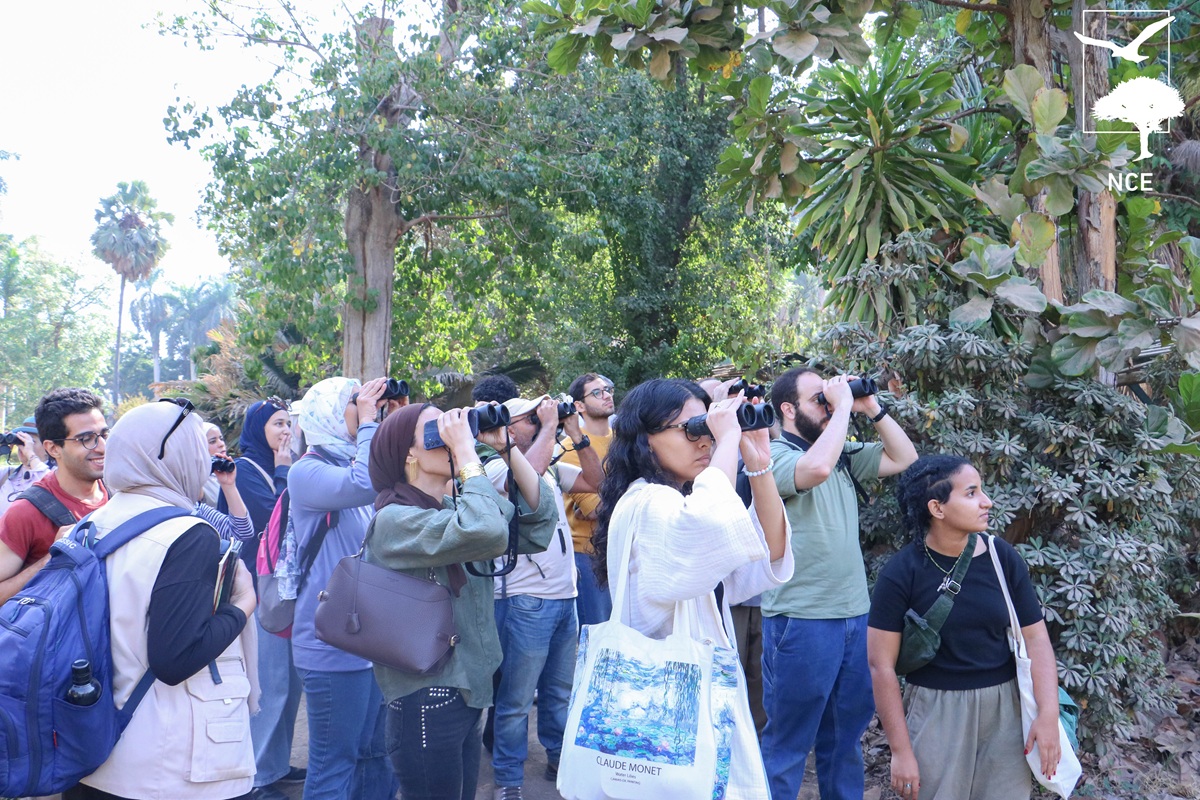
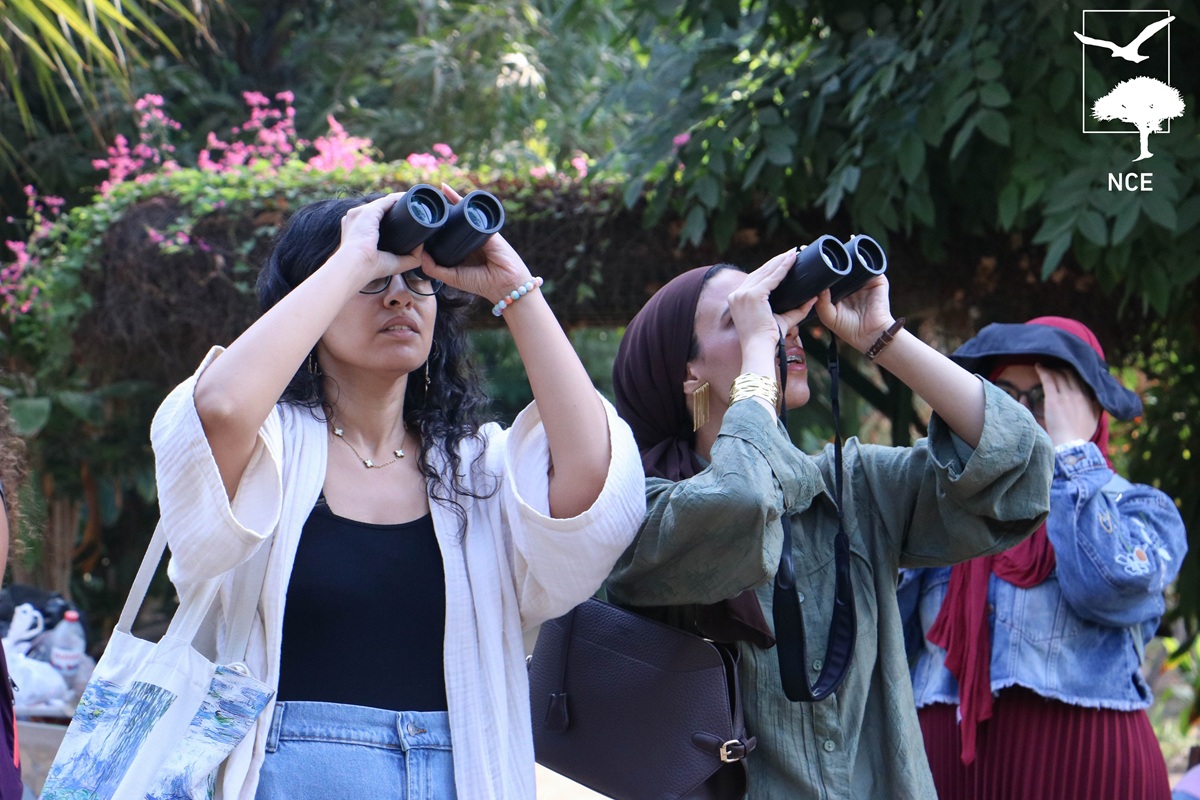
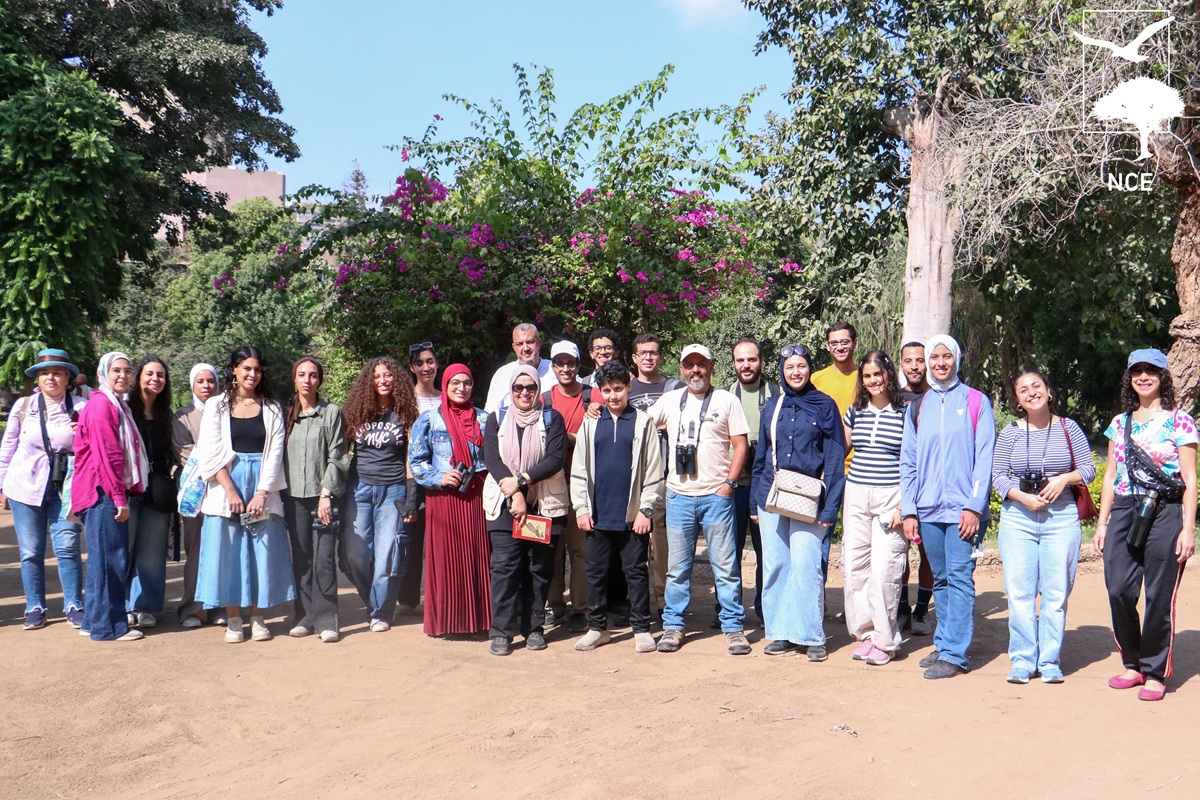
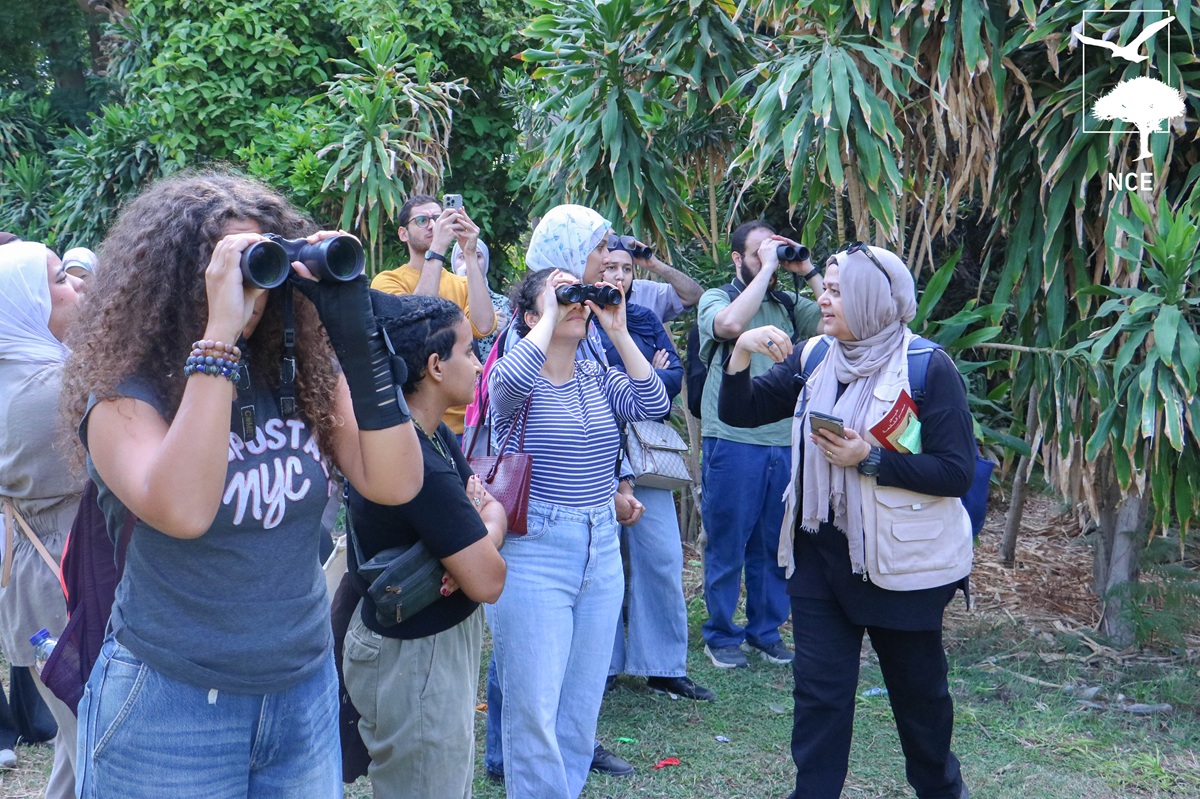
Cairo, 11 October 2026 – To mark World Migratory Bird Day, Nature Conservation Egypt (NCE) organised a birdwatching event on Saturday, 10 October, at Al-Zohreyya Garden in Zamalek. Nature enthusiasts gathered for a morning that combined the pleasure of observing birds with a closer look at why protecting biodiversity matters.
A morning of observation and discovery
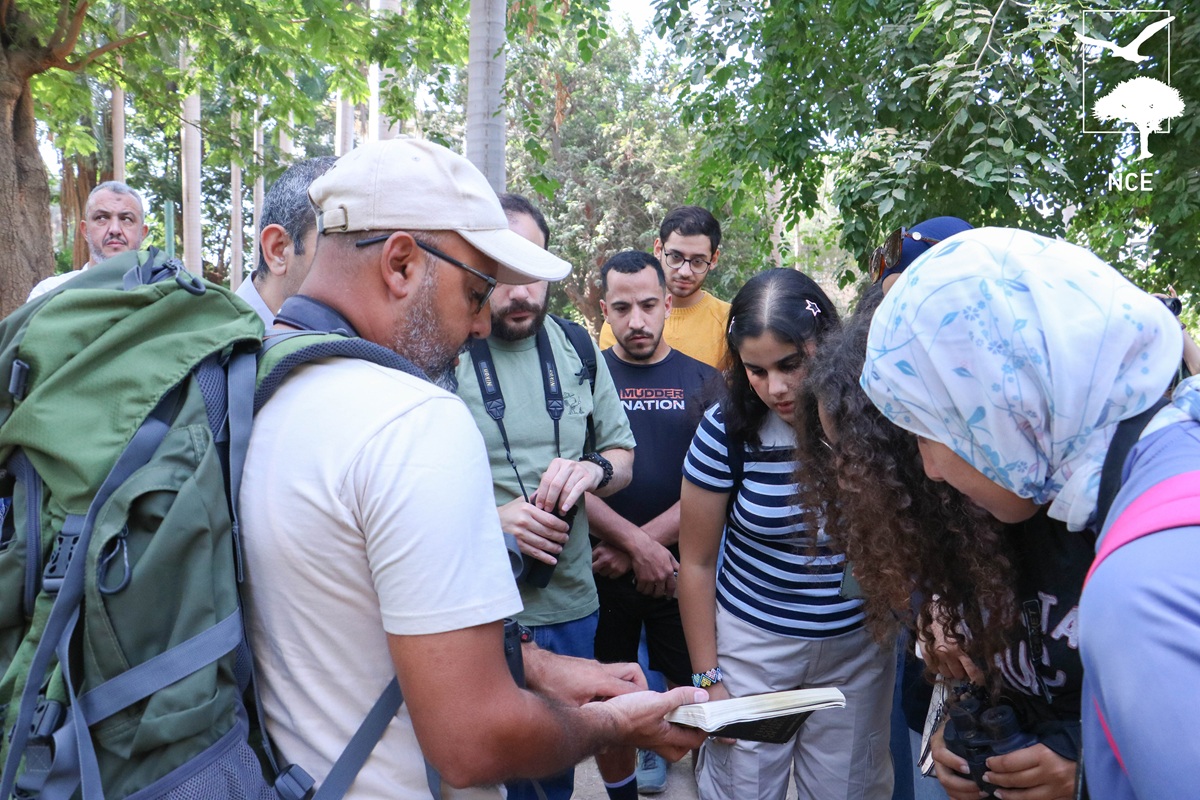
The walk began at 9:30 am with an introduction to the aims of World Migratory Bird Day and this year’s slogan, “Every Bird Counts: Your Observation Makes a Difference.” Participants also learned about the history of Al-Zohreyya Garden and the role of urban green spaces as refuges for birds, providing food, shelter and rest, particularly during long migratory journeys.
By the end of the walk, participants had recorded 20 bird species, including resident, migratory and visiting birds. The experience showed that birdwatching is more than an enjoyable pastime: it is a way to discover and better understand the natural world around us.
Birds and native plants: a shared story
The walk also highlighted the close relationship between birds and natural vegetation. Native Egyptian wild plants provide food and shelter for birds and sustain wider biodiversity, which means that trees and plants in even a modest green space can serve as valuable stopover sites for resident, migratory and visiting species alike.
Every observation counts
The event also introduced participants to citizen science and the value of individual observations. Records submitted by members of the public give researchers data to track bird populations and understand changes in their numbers and distribution, supporting conservation action.
Protecting birds means addressing the threats they face
Birdwatching in a city garden is a reminder of how much migratory birds depend on safe places to feed and rest along their routes. Those places, and the birds that use them, face a growing set of pressures:
This is why NCE’s work extends from raising public awareness and engaging citizens to addressing illegal hunting directly, including through the National Task Force to Combat Illegal Bird Hunting in Egypt, established to bring stakeholders together around coordinated action.
Protecting birds does not begin and end with their journey. It also means safeguarding the habitats they depend on, conserving native plants and vegetation that meet their basic needs, and ensuring that no bird falls victim to illegal hunting along the way.
Every bird we record helps us understand nature better, and every observation can be a step toward protecting it.
 |
 |
|
 |
 |
Stay updated with the latest news, trends, and offers by subscribing to our newsletter. Don't miss out on exclusive content and special promotions - sign up today!


.png)

